Microneedling stimulates collagen by creating controlled micro-injuries, while polynucleotides are injected to repair and regenerate skin from within. Microneedling suits texture, pores and scarring; polynucleotides suit crepey, thinning or under-eye skin. Many people get the best results combining the two, guided by a practitioner’s assessment of skin type and concern.
If you have started looking into ways to improve your skin quality, you may have come across both microneedling and polynucleotide treatments and found yourself unsure which is right for you. They are two of the most popular treatments in regenerative aesthetics, and while they share a similar goal of healthier skin, the difference lies in how they work. This guide explains the methods behind each treatment, what they treat best across different skin types, and why many patients find the answer is not one or the other, but a combination of the two.
How Each Treatment Works
Although both treatments improve skin quality, they take very different routes to get there, and understanding that difference helps you choose.
Microneedling uses a medical-grade device with fine needles to create tiny, controlled micro-injuries in the skin. Your body responds with a natural healing process, producing fresh collagen and elastin as it repairs, which gradually improves texture, firmness and tone. It works from the surface downwards, stimulating the skin’s own healing and collagen response over time. A related method, microneedling radiofrequency, combines needling with RF energy to reach deeper, though standard medical microneedling remains the most widely used treatment for everyday skin concerns.
Polynucleotide treatments take a different approach. They are purified DNA fragments that are injected into the skin, where they work with your natural biology at the level of the cells to repair and regenerate from within. Rather than relying on micro-injury to prompt healing, the DNA-based formulation supports hydration, cell turnover and tissue regeneration directly, while helping to calm inflammation and strengthen the quality and resilience of the skin over time.
In short, microneedling prompts your skin to repair itself, while polynucleotide treatments actively feed that regeneration.
What Each Treatment Works Best For
Because they work differently, each treatment tends to suit a different range of skin concerns, across most skin types.
Microneedling is often the better choice for:
- Uneven texture and rough skin
- Enlarged pores
- Acne scarring and other scarring
- Pigmentation and uneven tone
- General dullness and the early signs of ageing, including fine lines and wrinkles
Polynucleotide treatments tend to be more suited to:
- Crepey, thinning or fragile skin
- The delicate under-eye area, including dark circles and hollowing
- Skin that needs deep hydration and strengthening
- Loss of elasticity, pigmentation concerns and overall skin quality
There is some overlap, and many concerns can be helped by either. This is exactly why an assessment matters, as the right choice depends on your skin type, your concern, your age and what you want to achieve. A consultation matches the treatment to the indications that fit your skin.
Downtime and Results Timeline Compared
Both treatments are gradual rather than instant, and both build with a course over time, so it helps to know what to expect in the days and months afterwards.
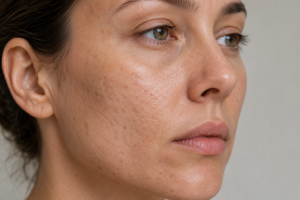
After microneedling, you can expect some redness similar to mild sunburn for a day or two, with mild, short-lived inflammation as part of the healing process, and skin can feel slightly sensitive. Most patients return to normal activities quickly. Improvements develop over the following weeks as new collagen forms, with the fuller benefit visible over two to three months.
Polynucleotide treatments involve injections, so you may notice small marks or mild swelling at the injection points, with little to no lasting redness, usually settling within a few days. Improvements in hydration and skin quality begin to appear within a few weeks, continuing to develop over the months that follow as regeneration progresses.
For both, a course is recommended rather than a single treatment session, as the regeneration is cumulative. Your practitioner will advise on the right number and spacing for your skin.
How the Costs Compare
Cost is often part of the decision, so it helps to compare the starting points at HAVA Aesthetics:
- Microneedling: from £250 per session, or from £650 for a course of three
- Polynucleotides: from £350 per session, or from £950 for a course of three
Polynucleotide treatments sit a little higher per session, which reflects the regenerative formulation and the fact that they are an injectable medical treatment. That said, price is rarely the right basis for choosing between them, as they address different concerns. The more useful question is which treatment, or which combination, best suits your skin. An accurate plan and price are always confirmed at a complimentary consultation.
Comparing Safety, Efficacy and Results
Both treatments have a strong track record for safety and efficacy when carried out by a medically qualified practitioner, and each has its own advantages. The main difference is in the methods they use to achieve results: microneedling works through controlled micro-injury and the skin’s healing response, while polynucleotide treatments work by supporting regeneration, boosting hydration and calming inflammation from within. Their indications overlap for general skin quality and tone, but diverge for specific concerns such as scarring or under-eye thinning. Because both affect the skin and your wider skin health, a professional assessment is the safest way to match the right treatment, or combined plan, to your skin type and your goals.
Can You Have Both?
Yes, and for many patients this is where the best results come from. Because microneedling improves texture from the surface and polynucleotide treatments regenerate and strengthen the skin from within, the two complement each other well. Used together as part of a planned course, they can improve skin quality, hydration and tone more comprehensively than either treatment alone.
The order and spacing matter, which is why this should always be planned by a practitioner rather than booked piecemeal. Typically the treatments are staged a little apart, allowing the skin to respond and heal between each before moving on. During your consultation, Dr Hadeel Nimaa can assess your skin and advise whether a combined plan is right for you.
Which Is Right for You
There is no single answer that suits everyone, and that is the honest truth of it. If your main concern is texture, pores, pigmentation or scarring, microneedling may be the natural starting point. If you are dealing with crepey, thinning or under-eye skin, polynucleotide treatments are often better suited. And if you want to improve your skin quality as fully as possible, a combination may give the best outcome over time. Every client is different, which is why a tailored plan matters more than a fixed rule.
The clearest way to decide is with a professional assessment of your skin. At HAVA Aesthetics in Esher, treatment is guided by Dr Hadeel Nimaa, with a focus on natural-looking results and a plan tailored to you. When you feel ready, you are welcome to book a consultation, and we will guide you towards the most suitable approach for your skin and skin type.
Frequently Asked Questions
Is microneedling or polynucleotides better for under-eyes?
Polynucleotides are usually the better choice for the delicate under-eye area, where skin is thin and prone to dark circles and hollowing. They are designed to hydrate and regenerate fragile skin from within. Microneedling can support the wider area, but under-eye concerns are typically better suited to polynucleotides, confirmed at consultation.
Which is better for acne scars, microneedling or polynucleotides?
Microneedling is generally the stronger choice for acne scarring, as creating controlled micro-injuries encourages the skin to remodel and smooth uneven texture over a course of sessions. Polynucleotides can support overall skin quality alongside it, but for scarring specifically, microneedling tends to lead the plan.
Is microneedling or polynucleotides more painful?
Both are well tolerated. Microneedling is carried out with a numbing cream, so most people feel only mild scratching or warmth, with skin a little sensitive afterwards. Polynucleotides involve injections, which can mean brief stinging and small marks that settle within a few days. Comfort is always a priority during treatment.
How many sessions of each will I need?
Both treatments work best as a course rather than a one-off. Microneedling usually involves around three sessions spaced four to six weeks apart, while polynucleotides are typically given as a course of three a few weeks apart. Your exact plan depends on your skin and is confirmed at your consultation.
How long do the results of each last?
Results from both build gradually and are maintained with occasional top-ups. Microneedling results continue developing for two to three months after a course as new collagen matures, while polynucleotide improvements in skin quality often last several months. Maintenance sessions help preserve the benefit over time.
Can you combine microneedling and polynucleotides?
Yes. Many patients achieve the best results by combining the two, as microneedling improves texture from the surface while polynucleotides regenerate the skin from within. The treatments are usually staged a little apart, so the order and spacing should be planned by your practitioner as part of a tailored treatment plan.