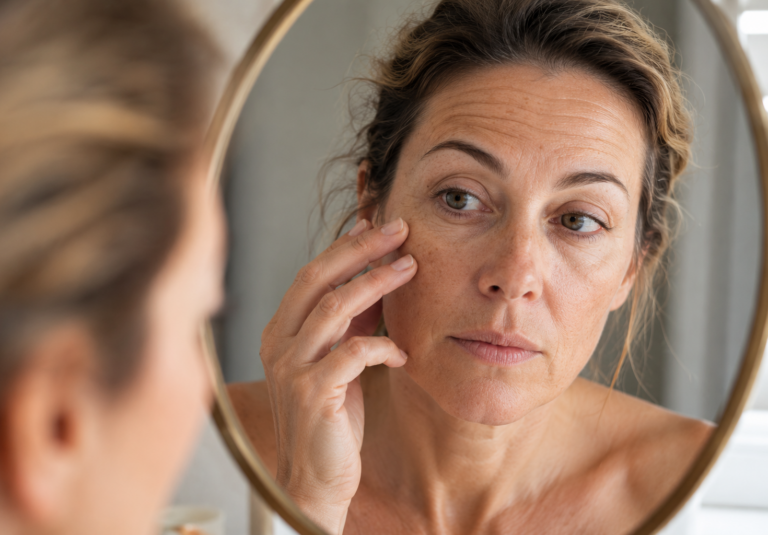
Good candidates for polynucleotides in Surrey include people with crepey, dull, thinning or under-eye skin who want to improve quality rather than add volume. They suit a range of ages and skin types. They may not suit active infection, pregnancy or certain conditions, which is why a consultation comes first.
Polynucleotides have become a popular choice in regenerative aesthetics for improving skin quality, and if you have been reading about them, you may be wondering whether they would suit you. The good news is that they are appropriate for a wide range of people and skin types. As with any of the cosmetic treatments we offer, though, suitability is individual, and a consultation is always the proper way to confirm it. This guide explains who tends to be a good candidate, who might be better waiting, and what to expect.
Who Polynucleotides Suit
Polynucleotides are designed to improve the quality of your skin from within, supporting skin hydration, strength and regeneration rather than adding volume. That makes them a good fit for people whose main concern is the condition of their skin. You may be a good candidate if you are noticing:
- Crepey skin or fine lines, particularly on the neck or under the eyes
- Dull, dehydrated skin that has lost its glow, or a generally tired look
- Thinning or fragile skin that needs strengthening
- Under-eye concerns such as dark circles, under-eye hollows and a lack of hydration in the periorbital region
- A general decline in skin texture, tone or elasticity, including early wrinkles
If your goal is healthier, better-quality skin rather than changing the shape or volume of your face, polynucleotides are often well suited to what you are looking for. You can read more about polynucleotide treatments in Surrey and how the treatment works.
How Polynucleotides Work
It helps to understand what polynucleotides actually do, as this explains who they suit. Often based on purified salmon DNA, polynucleotide injections are introduced into the dermis through a very fine needle, where they act as a biostimulator. They stimulate fibroblast activity, supporting collagen and elastin production and encouraging cellular regeneration, tissue repair and a stronger skin barrier. This process of skin regeneration and cellular repair is gradual, which is why results build over a course rather than appearing immediately. Because the effect is on skin quality at a foundational level, the right candidates are those looking to improve the condition of their skin rather than add structure.
It’s About Skin Quality, Not Volume
It helps to be clear about what polynucleotides do and do not do, as this is central to whether they are right for you. Polynucleotides improve the quality and condition of your skin through collagen production and elastin production. They do not restore lost volume or change facial contours in the way dermal fillers do.
If your concern is volume loss, such as flatter cheeks or a less defined jawline, a different treatment may suit you better, and your practitioner can advise. Many people actually benefit from improving skin quality alongside other injectable treatments as part of a wider treatment plan. Understanding this distinction is part of choosing the right treatment for the right reason.
What Else Polynucleotides Can Help
Beyond crepey and tired skin, polynucleotides are increasingly used to support a range of skin concerns, which widens who may be a good candidate. They can be considered as part of a plan for:
- Under-eye treatments, where thin skin in the periorbital region shows dark circles and hollows
- Crepey skin and mild skin laxity on the face and neck
- Uneven skin texture, pigmentation and hyperpigmentation
- The appearance of scars and stretch marks, often alongside other treatments
- Skin showing the effects of sun damage and lifestyle factors
Whether polynucleotides are the right choice for any of these, on their own or combined, is always confirmed through a proper skin analysis at consultation.
Suitable Across a Range of Ages and Skin Types
One of the appealing things about polynucleotides is how broadly suitable they are. They are not limited to one age group. Younger patients may use them to maintain and support healthy skin quality, while those a little older may turn to them for thinning, crepey or tired skin. They are also suitable across a range of skin types and tones.
This flexibility is part of why polynucleotides have become so widely used. That said, broadly suitable is not the same as suitable for everyone, and lifestyle factors and overall health are always taken into account, which is where a proper assessment comes in.
Who Should Wait or Avoid Treatment
Polynucleotides are not appropriate for everyone, and there are some situations where treatment should be delayed or avoided. A consultation exists partly to identify these, with safety as the priority. Treatment may not be suitable if you:
- Have an active skin infection or inflammation in the area to be treated
- Are pregnant or breastfeeding, when many aesthetic treatments are generally avoided as a precaution
- Have certain medical conditions, or are unwell at the time of treatment
- Have a known allergy relevant to the treatment
This is not a complete list, which is exactly why an individual medical assessment matters. Being honest about your health and medical history allows your practitioner to confirm whether polynucleotides are safe and suitable for you, or whether it is better to wait.
Why a Consultation Comes First
A consultation is the only reliable way to confirm whether you are a good candidate. It allows a medically qualified practitioner to carry out a proper skin analysis, understand your concerns and goals, review your health and medical history, and recommend whether polynucleotides, another treatment or a combination is the best route for you.
At HAVA Aesthetics in Esher, treatment is guided by Dr Hadeel Nimaa, with a focus on the right treatment for each client rather than a one-size approach. When you feel ready, you are welcome to book a consultation, and we will guide you towards the most suitable plan for your skin.
Frequently Asked Questions
What age should you start polynucleotides?
There is no set age. Younger people sometimes use polynucleotides to maintain skin quality, while others start later to address thinning, crepey or tired skin. What matters more than age is your skin and your goals. A consultation is the best way to decide whether the timing and treatment are right for you.
Who should not have polynucleotides?
Polynucleotides may not be suitable if you have an active skin infection, are pregnant or breastfeeding, are unwell, have certain medical conditions, or have a relevant allergy. This is not a complete list, so an individual assessment is essential. Sharing your full medical history allows your practitioner to confirm whether treatment is safe for you.
Are polynucleotides suitable for all skin types?
Polynucleotides are suitable across a wide range of skin types and tones, which is part of their appeal. Suitability still depends on your individual skin, health and concerns, so a consultation is used to confirm it. The treatment focuses on improving skin quality, which is relevant to many different skin types.
Are polynucleotides good for under-eye concerns?
Yes, the under-eye area is one of the situations polynucleotides suit particularly well. The skin here is thin and delicate, and polynucleotides work to hydrate and regenerate it from within, which can help with crepiness, dark circles and a tired appearance. Suitability for this delicate area is always confirmed at consultation.
Can I have polynucleotides if I am new to aesthetic treatments?
Yes. Polynucleotides can be a good starting point for those new to treatments, as they focus on improving natural skin quality rather than changing appearance dramatically. A consultation will talk you through what to expect, answer your questions and make sure you feel comfortable and informed before any treatment goes ahead.
Do I need a consultation before polynucleotides?
Yes, always. A consultation confirms whether you are a good candidate, allows your skin and health to be assessed, and ensures the treatment is safe and suitable for you. It is also the opportunity to discuss your goals and ask questions, so any plan is built around your individual needs.