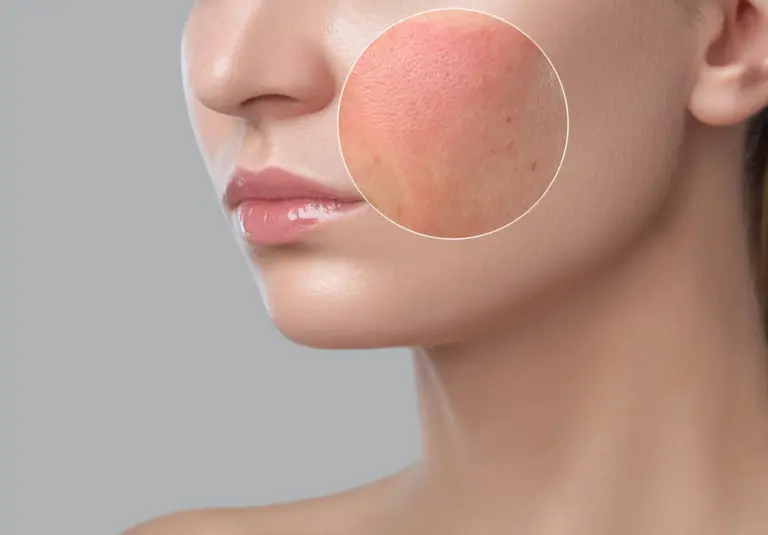
Large or visible pores are one of the most common skin concerns, and they can be stubbornly resistant to even a good skincare routine. Microneedling in Surrey is frequently recommended as a skin treatment for refining skin texture, but does it actually work for pores, and can anything really make them smaller? Here is an honest look at what microneedling can and cannot do for large pores, and the results you can realistically expect.
What Causes Large Pores?
Before looking at the treatment, it helps to understand why pores look enlarged in the first place, because this shapes what any treatment can achieve. The most common factors are genetics, which largely determine your natural pore size, and oily or thicker skin, where excess sebum stretches the pore opening. Ageing plays a significant role too: as we lose collagen, the skin around each pore loses its support and begins to sag slightly, making pores look larger and more open. Sun damage accelerates this collagen loss, and pores clogged with oil and debris can also appear bigger than they are. In other words, much of what makes pores look large comes down to skin that has lost firmness and support, which is exactly where microneedling can help.
Does Microneedling Work for Large Pores?
Yes, microneedling can noticeably reduce the appearance of large pores, but it is important to understand how. It does not literally shrink or close pores, as pore size is largely genetic, and any treatment promising to make pores disappear entirely is overselling. What microneedling does is create tiny, controlled micro-injuries that stimulate collagen production and elastin production around each pore. This rebuilds the support and firmness that keeps pores looking tight, giving tighter skin and better skin elasticity, so they appear smaller and less noticeable. Because so much pore visibility comes from collagen loss and lax skin, that collagen support and structural skin support genuinely makes a visible difference.
How Microneedling Reduces the Look of Pores
The microchannels created during treatment switch on the skin’s natural healing process and release growth factors, prompting a surge of new collagen and elastin over the following weeks. As part of this skin regeneration, the skin around your pores becomes firmer and better supported, which tightens their appearance. At the same time, microneedling encourages healthier cell turnover, supporting skin renewal and overall skin health, so skin looks smoother and reflects light more evenly, which further reduces the shadowing that makes pores stand out. These benefits build gradually and are best achieved over a course of sessions rather than a single treatment.
What Results to Expect, and When
Microneedling works progressively rather than instantly. You may notice smoother, fresher-looking skin within days, but the collagen-related refinement of your pores develops over around six to eight weeks and continues to improve across a recommended course of roughly three to six sessions. It is worth being realistic: pores will look refined, tighter and less obvious, rather than vanishing altogether. Results are also not permanent, as collagen naturally declines over time, so occasional maintenance sessions help preserve the improvement.
Why Do My Pores Look Bigger After Microneedling?
This is a common worry, and it is usually nothing to be concerned about. In the first few days after treatment, the skin can be a little swollen, dry, flaky or show some redness as it heals, and this can temporarily make pores look more noticeable rather than less. This short period of downtime is a normal part of the process and settles as the initial healing completes and new collagen begins to form. Keeping the skin gently hydrated, with a hyaluronic acid serum for example, and well protected supports the skin barrier during this window, and the improvement in pore appearance becomes clear as the weeks go on. If anything ever seems unusual or does not settle, your practitioner is always the best person to check in with.
Getting the Best Results for Your Pores
A few simple aftercare instructions help microneedling deliver its best results for large pores:
- Complete the full recommended course rather than relying on a single session.
- Wear a daily broad-spectrum SPF, as sun damage is a major cause of collagen loss and enlarged-looking pores.
- Keep a consistent skincare routine between sessions, as ingredients such as retinoids and niacinamide support pore appearance and skin quality.
- Avoid heavy, pore-clogging products immediately after treatment while the skin settles.
- Follow tailored advice if you have particularly oily skin, as managing oil helps keep pores looking clear.
Is Microneedling Right for Your Pores?
Microneedling tends to work best for pores that look enlarged due to ageing, collagen loss, oiliness or general textural concerns, and one of its advantages is that it improves several of these at once. Because it also targets fine lines, uneven texture, acne scars, post-acne unevenness and skin discoloration, it is a versatile option for overall skin quality, not just pores. It can be carried out on a single area or as full face microneedling for all-over refinement. Some clinics also offer RF Microneedling (radiofrequency microneedling), which adds heat to further boost skin tightening, though standard microneedling is already highly effective for refining pores. You can read more about the range of concerns it addresses in our guide to what microneedling can treat. A consultation is the best way to confirm whether it suits your skin type and goals.
Microneedling for Large Pores at HAVA Aesthetics in Esher, Surrey
At HAVA Aesthetics, the microneedling procedure is carried out by Dr Hadeel Nimaa using a professional microneedling device such as the SkinPen®, whose fine microneedles are tailored to your skin type and concerns, including refining enlarged pores and improving overall texture. If visible pores are bothering you, you are welcome to book a consultation in Esher, Surrey, to find out whether microneedling is the right choice for your skin.
Back to blog