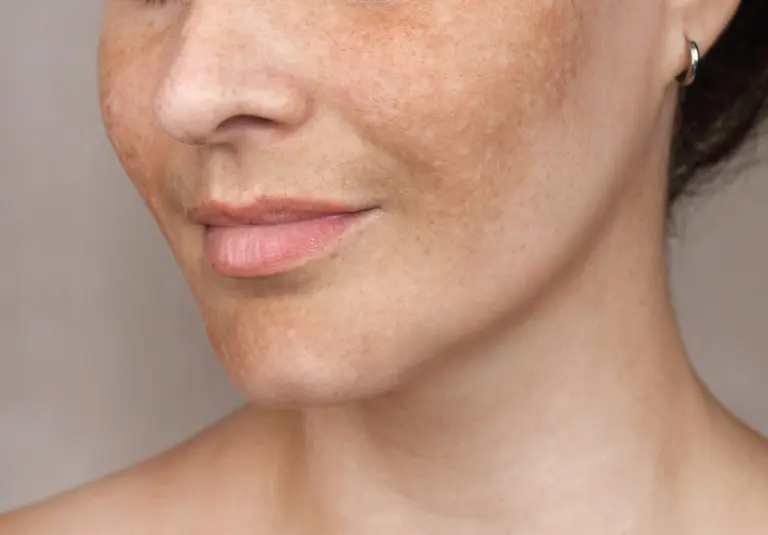
Pigmentation is one of the most common, and most frustrating, skin concerns. Whether it shows up as sunspots, patches of uneven tone or the stubborn, hormone-linked marks of melasma, it can be difficult to shift with skincare alone. Microneedling in Surrey has become a popular option in facial aesthetics for people looking to fade skin discolouration and restore a clearer, more even complexion. But how well does microneedling for pigmentation actually work, and is it the right choice for melasma? Here is what you need to know.
Understanding Pigmentation and Melasma
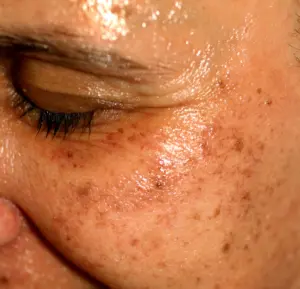
Pigmentation occurs when your skin produces excess melanin, the pigment that gives skin its colour. It tends to fall into a few broad types. Sun-related pigmentation, such as age spots and other dark spots on sun-damaged skin, builds up over years of UV exposure. Post-inflammatory pigmentation appears as dark marks left behind after acne, injury or irritation. Melasma is different again: it shows as larger, symmetrical patches, often across the cheeks, forehead or upper lip, and is driven by a combination of hormones and sun exposure.
Melasma is worth singling out because it behaves differently from other pigmentation. It sits deeper, is influenced by hormones, and has a tendency to return, which is why it needs a more careful, tailored approach rather than an aggressive one.
Does Microneedling Help with Pigmentation?
For many types of pigmentation, yes. Microneedling creates tiny, controlled micro-channels that trigger the skin’s natural wound-healing response and the release of growth factors, and this works against pigmentation in three ways. It accelerates cell turnover, so pigmented, damaged skin cells are shed and replaced with fresher, more even-toned skin. It helps break up and disperse clusters of melanin sitting in the upper layers. And because the micro-channels temporarily open a pathway into the skin, it significantly improves how well brightening ingredients, such as vitamin C, are absorbed, so your skincare works harder alongside the treatment. Over the following weeks, the same process stimulates fresh collagen and elastin, strengthening the skin as the tone becomes more even.
Just as importantly, microneedling works mechanically rather than by targeting pigment with intense heat or light. That makes it a gentler option for many people, with results that build gradually and naturally over a course of sessions.
Microneedling for Melasma: What to Know
Melasma is more complex, and honesty matters here. Because it is chronic and hormonally influenced, no single treatment truly “cures” it, and the realistic goal is to reduce and manage it rather than remove it for good. Microneedling can play a helpful role, particularly when it is combined with prescribed topical creams, because it improves how well those products penetrate and encourages healthier skin turnover without the aggressive heat that can provoke melasma.
The important caution is that melasma is sensitive to heat and inflammation, and overly aggressive treatment can sometimes make it worse rather than better. This is exactly why melasma should only be treated conservatively by an experienced practitioner who adjusts the needle depth carefully, pairs it with the right skincare, and insists on strict daily sun protection. It is also why heat-based devices such as radiofrequency microneedling (also known as RF microneedling) call for particular caution with melasma, where a gentler, low-heat approach is usually preferred. Handled properly, microneedling can be a valuable part of a melasma plan; handled carelessly, it carries real risk, so the expertise behind the treatment counts for a great deal.
Is Microneedling Safe for Pigmentation-Prone or Darker Skin?
One of microneedling’s advantages is that, because it does not rely on light or heat aimed at melanin, it is generally considered a safer option for medium to deep skin tones. These skin types can be more prone to post-inflammatory hyperpigmentation from certain laser treatments, so a mechanical approach is often preferable. You can read more about whether microneedling is safe for different skin types in our dedicated guide. It is also generally not recommended for anyone prone to keloid scarring, which is something your practitioner will check during your assessment.
That said, no treatment is entirely without risk. If the skin is over-treated or left unprotected afterwards, temporary changes in pigmentation are still possible. This is another reason an experienced practitioner and diligent aftercare are so important, whatever your skin tone.
Getting the Best Results: Sessions, Timeline and Aftercare
Microneedling for pigmentation works best as a planned course rather than a one-off, and how you look after your skin between sessions makes a real difference:
- Most people need a course of around three to six sessions, spaced four to six weeks apart, depending on how established the pigmentation is.
- Improvements in tone and texture appear gradually, with skin often looking clearer within days and optimal results building over six to eight weeks as new collagen and elastin fibres develop.
- Daily broad-spectrum SPF is non-negotiable, as it protects your results and helps prevent new pigmentation, and it is especially critical for anyone with melasma.
- Pairing treatment with targeted brightening skin care products, as recommended by your practitioner, helps enhance and prolong the results.
- Keep your post-treatment care gentle and simple, using a soothing hyaluronic acid serum to hydrate and support the skin barrier as it recovers.
- Avoid sun exposure, heat and active or exfoliating products for a few days after each session while the skin settles.
What to Expect from Your Results
It helps to go in with realistic expectations. Microneedling tends to fade pigmentation gradually, softening discolouration and leaving the complexion clearer and more even over time, rather than erasing it overnight. For sun-related pigmentation and post-inflammatory marks, results can be very rewarding. Because it stimulates collagen across the whole treated area, many people also notice improvements in acne scarring, fine lines and wrinkles alongside their pigmentation. For melasma, think in terms of long-term management and improvement, with maintenance sessions and consistent sun protection to keep it under control. Depending on your skin, other options such as chemical peels may also be recommended, either alongside or instead of microneedling.
Microneedling for Pigmentation in Esher, Surrey
At HAVA Aesthetics, we use SkinPen® microneedling, one of the most trusted microneedling systems available in the UK, carried out and overseen by Dr Hadeel Nimaa, who tailors every treatment plan to your skin type, your specific type of pigmentation and your goals, which is especially important when melasma is involved. If uneven tone or stubborn pigmentation is bothering you, you are welcome to book a consultation in Esher, Surrey, to talk through whether microneedling is right for you.
Back to blog