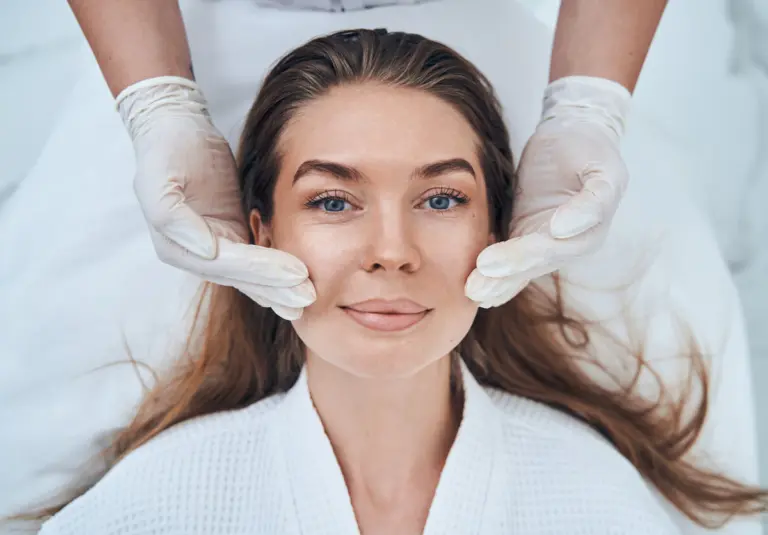
Polynucleotides in Surrey have become one of the most talked-about regenerative aesthetic treatments, and for good reason. Unlike dermal fillers, which add volume, they work with your skin’s own biology to boost collagen production, improve skin elasticity and support genuine tissue regeneration, gradually enhancing your overall skin quality. Because they rebuild the skin from within, polynucleotides are often used to soften wrinkles, refine uneven pigmentation and scarring, and revive dull, sun-damaged skin. But like all injectable procedures, the results you see depend not only on the treatment itself but on how you care for your skin in the days that follow. Good aftercare helps reduce side effects, protects the treated area while it settles, and gives those results the best possible chance to develop.
This guide walks you through exactly what to do and what to avoid after your appointment, including specific advice for delicate areas such as under the eyes.
Why Aftercare Matters After Polynucleotides
A polynucleotide treatment is injected into the dermis, where it gradually stimulates fibroblast activity and encourages skin regeneration over several weeks. In the first 24 to 48 hours after your polynucleotide injection, the treated area is more sensitive and the small injection sites are still healing. Following a few simple post-treatment care steps during this window helps minimise swelling, redness, bruising and inflammation, lowers the risk of irritation or infection, and allows the product to work undisturbed. Aftercare is not complicated, but it does make a real difference to both your comfort and your final result.
What to Do After Polynucleotides
In the hours and days after your treatment, focus on keeping the area calm, clean and protected. A few gentle post-care habits go a long way:
- Apply a cool compress if you notice mild swelling or redness, using light pressure only.
- Keep the treated area clean and allow any small injection marks to settle naturally.
- Stay well hydrated and drink plenty of water to support your skin’s recovery.
- Sleep on your back where possible for the first night or two, especially after facial or under-eye treatment, to avoid pressure on the area.
- Use a gentle, fragrance-free cleanser and moisturiser, and keep your routine simple for a few days.
- Apply a broad-spectrum SPF once the skin has settled, and continue protecting the area from the sun.
- Follow any specific instructions from your practitioner, as advice can vary depending on the area treated.
If you have any questions in the first few days, it is always fine to check in with your clinic rather than guessing.
What to Avoid After Polynucleotides
Just as important is knowing what to steer clear of while your skin recovers. For the first 24 to 48 hours in particular, avoid anything that adds heat, pressure or irritation:
- Do not touch, rub or massage the treated area unless your practitioner has advised you to.
- Avoid strenuous exercise, saunas, steam rooms and hot baths for at least 24 to 48 hours.
- Stay out of direct sun and avoid sunbeds while the skin is healing.
- Avoid alcohol for the first 24 hours, as it can worsen swelling and bruising.
- Hold off on makeup over the injection points for the rest of the day, or as advised.
- Delay other facials, chemical peels, microneedling and laser treatments for around two weeks.
- Avoid blood-thinning medication or supplements such as aspirin, ibuprofen, fish oil or high-dose vitamin E around your appointment, but only stop prescribed medication after speaking to your doctor.
Sticking to these simple limits gives the treated area the calm environment it needs to settle and regenerate.
Aftercare for Polynucleotides Under the Eyes
The under-eye area is thinner and more delicate than the rest of the face, so aftercare for polynucleotides under the eyes deserves a little extra attention. As this is a popular area for treating dark circles and thin, ageing skin, it is completely normal to notice slightly more swelling, small lumps or minor bruising here in the first few days, and this usually settles on its own.
To care for the area, sleep with your head slightly elevated for the first night or two to help reduce puffiness, and avoid rubbing your eyes or wearing heavy eye makeup until the skin has recovered. Be gentle when cleansing, keep the area protected from strong sun with sunglasses and SPF, and resist the urge to press or check the small bumps, as these smooth out as the product integrates. If swelling feels significant or does not improve after a few days, contact your practitioner for reassurance.
What to Expect as Your Skin Recovers
Most people find any redness or swelling fades within a few days, and downtime is generally minimal, while the regenerative benefits build gradually over the following weeks. Because polynucleotides work by stimulating your skin’s own cellular repair and collagen formation, the improvement in skin tone, texture and firmness is progressive rather than instant. Over a course of treatment, many people notice softer fine lines, improved skin hydration and a gradual smoothing of crepey texture as fresh collagen and elastin develop. Staying consistent with sun protection and a gentle skincare routine between sessions helps protect and prolong your results.
When to Contact Your Practitioner
Side effects after polynucleotides are usually mild and short-lived, but it is worth knowing when to seek advice. Contact your clinic if you experience increasing pain, spreading redness or warmth, signs of infection, or swelling that worsens rather than improves after several days. A reputable clinic will always be happy to check on you, so never hesitate to get in touch if something does not feel right.
Polynucleotides Aftercare at HAVA Aesthetics in Esher, Surrey
At HAVA Aesthetics, every polynucleotide treatment comes with clear, personalised aftercare advice from Dr Hadeel Nimaa, so you always know exactly how to look after your skin. If you are considering treatment, or you have questions about caring for your skin afterwards, you are welcome to book a consultation in Esher, Surrey.
Back to blog