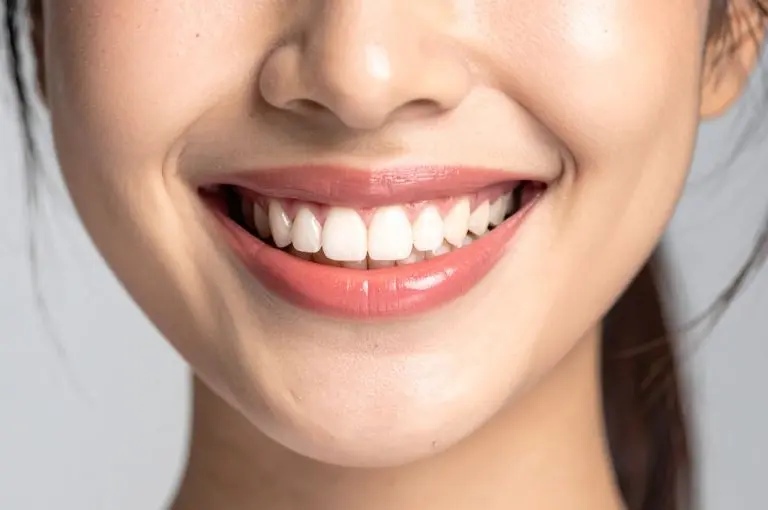
A smile is one of the most expressive features of the face, but for some people it can feel like a point of self-consciousness. Concerns such as a gummy smile or bunny lines often relate not to the teeth themselves, but to how the muscles of the upper lip move when we smile.
In facial aesthetics, Botox treatments have evolved far beyond smoothing forehead lines. Advanced techniques now allow medical professionals to address specific muscle patterns in the upper lip and nose area, helping to create more balanced, natural results without surgery.
This article explores how Botox for gummy smile correction works, how it differs from dermal fillers, and how advanced treatments target muscle activity rather than facial structure.
What Is a Gummy Smile
A gummy smile refers to excessive gingival display, where a larger amount of gum tissue is visible above the teeth when smiling. This is also described clinically as increased gingival display above the gum line.
There are several possible causes, including:
- A hyperactive upper lip
- Strong or overactive upper lip muscles
- The way the lip lifts during smiling
- Individual facial anatomy and muscle animation
In many cases, the teeth and gums are healthy, but the upper lip lifts higher than average due to increased muscle strength or activity.
How Botox Works for Gummy Smile Correction
Botox used for gummy smile correction works by targeting the hyperactive upper lip muscle responsible for lifting the lip too high. Botox is a purified form of Botulinum toxin type A, derived from Clostridium botulinum, and is used in extremely small, controlled doses.
When injected into specific muscles of the upper lip, Botox temporarily reduces excessive muscle activity. This allows the upper lip to relax slightly, lowering how high it lifts during smiling and reducing gum exposure.
Rather than changing teeth position or gum tissue, Botox addresses the muscle movement itself.
Upper Lip Muscles and Facial Anatomy
Understanding facial anatomy is essential for safe and effective treatment. The upper lip is controlled by several muscles that work together during facial expressions.
When these muscles are overly active, the lip elevates too much. Botox works by gently reducing muscle animation without affecting speech or natural expression when administered correctly by a trained medical professional.
Because the area is delicate, precise placement and dosing are critical for achieving natural results.
Botox for Bunny Lines
Bunny lines are small wrinkles that appear on the sides of the nose when smiling. They are caused by repeated contraction of muscles in the nasal area, often alongside strong upper lip movement.
Botox can be used to soften these lines by reducing muscle activity in the area, creating a smoother appearance without affecting the smile. This is one of the more advanced applications of anti-wrinkle injections.
This treatment is often combined with gummy smile correction when both concerns are linked to upper facial muscle movement.
Lip Flip Botox and Lip Enhancement
A Lip Flip Botox treatment uses small amounts of Botox placed into the upper lip muscles to gently roll the lip outward. This can create the appearance of fuller lips without adding volume.
It is different from lip fillers, which use hyaluronic acid or dermal filler to add volume and structure. In some cases, Lip Flip Botox and lip augmentation with filler are combined as part of a personalised treatment plan.
Botox vs Dermal Filler for Smile Concerns
Botox and dermal filler treat very different issues.
- Botox reduces muscle activity
- Dermal filler and lip fillers add volume and shape
For gummy smiles caused by muscle overactivity, Botox is usually more appropriate. For volume-related concerns or lip shape, filler injections may be considered instead.
A face-to-face assessment allows an aesthetic practitioner to determine the most suitable option.
Advanced Botox Treatments Beyond the Upper Lip
Botox is also used in other advanced facial aesthetics treatments, including:
- Masseter Botox for facial slimming
- Balancing facial symmetry
- Supporting natural facial expressions
These non-surgical treatments rely on a deep understanding of muscle strength, muscle activity and facial movement.
Why Professional Assessment Matters
Because treatments for gummy smiles and bunny lines involve delicate muscles, a medical professional with experience in aesthetic medicine is essential.
A comprehensive treatment plan includes:
- Assessment of facial anatomy
- Observation of muscle movement and smile pattern
- Evaluation of muscle strength and animation
- Discussion of aesthetic goals and expectations
This ensures patient care remains safe and results remain natural.
HAVA Aesthetics in Esher, Surrey
At HAVA Aesthetics in Esher, advanced Botox treatments are led by Dr Hadeel Nimaa, with a strong focus on subtle correction and natural results.
Rather than applying standard doses, each treatment is tailored following a face-to-face assessment. This allows for precise muscle relaxation while preserving individuality and expression.
Patient care, safety and long-term facial harmony are central to every treatment approach.

Recovery Period and Side Effects
Botox for gummy smile correction involves minimal downtime. The recovery period is usually short, and most people return to daily activities the same day.
Possible side effects include mild swelling, redness or bruising at the injection site. Adverse reactions are rare when treatment is performed correctly, but all potential risks are discussed during consultation.
A Subtle Solution for Smile Balance
Botox for gummy smile and bunny lines offers a non-surgical way to rebalance how the upper lip moves during smiling. By addressing muscle activity rather than altering teeth or gums, it provides a subtle, reversible option for people seeking natural results.
As with all aesthetic treatments, success depends on careful assessment, anatomical knowledge and a conservative approach focused on patient care rather than trends.
If you are exploring cosmetic uses of Botox treatments in Surrey for advanced smile concerns, professional guidance is always the best starting point. Book your consultation today.
Back to blog